
O₂ trim control
Combustion optimisation software that corrects the fuel-air ratio from the residual oxygen measured in the flue gas
LAMTEC
- Software module
- LT1 · LT2 · LT3 · LT3-F · NT1
O₂ trim control is a software module found in every LAMTEC burner management system, including CMS, BT300 and ETAMATIC, and it works together with the LAMTEC LT1, LT2, LT3, LT3-F or NT1 O₂/flue gas analysers. It holds the residual oxygen in the flue gas at the optimum O₂ setpoint defined for the burner and its operating state. This saves fuel, lowers pollutant emissions and offsets influences that disturb combustion.
Without control, such influences can shift the residual oxygen in the flue gas considerably and may even lead to hazardous conditions in the plant. LAMTEC quotes typical figures: a change of ±20 °C in air temperature moves O₂ by 1.0–1.5 vol.%, a change of ±25 mbar in air pressure by ±0.5 vol.%, and a change of ±10 % in calorific value by 2.0–2.8 vol.%. By keeping the oxygen level steady, O₂ trim control compensates for almost all of these influences.
The LT1 and LT2 transmitters also contain a universal PID controller module that can be enabled as an option. It compares the measured residual oxygen with the setpoint and adjusts the fuel-air ratio through its continuous output until both values agree. The output is best connected to an electronic fuel-air ratio control system; it can also drive an air damper or fuel control element directly through an actuator with positioning electronics.
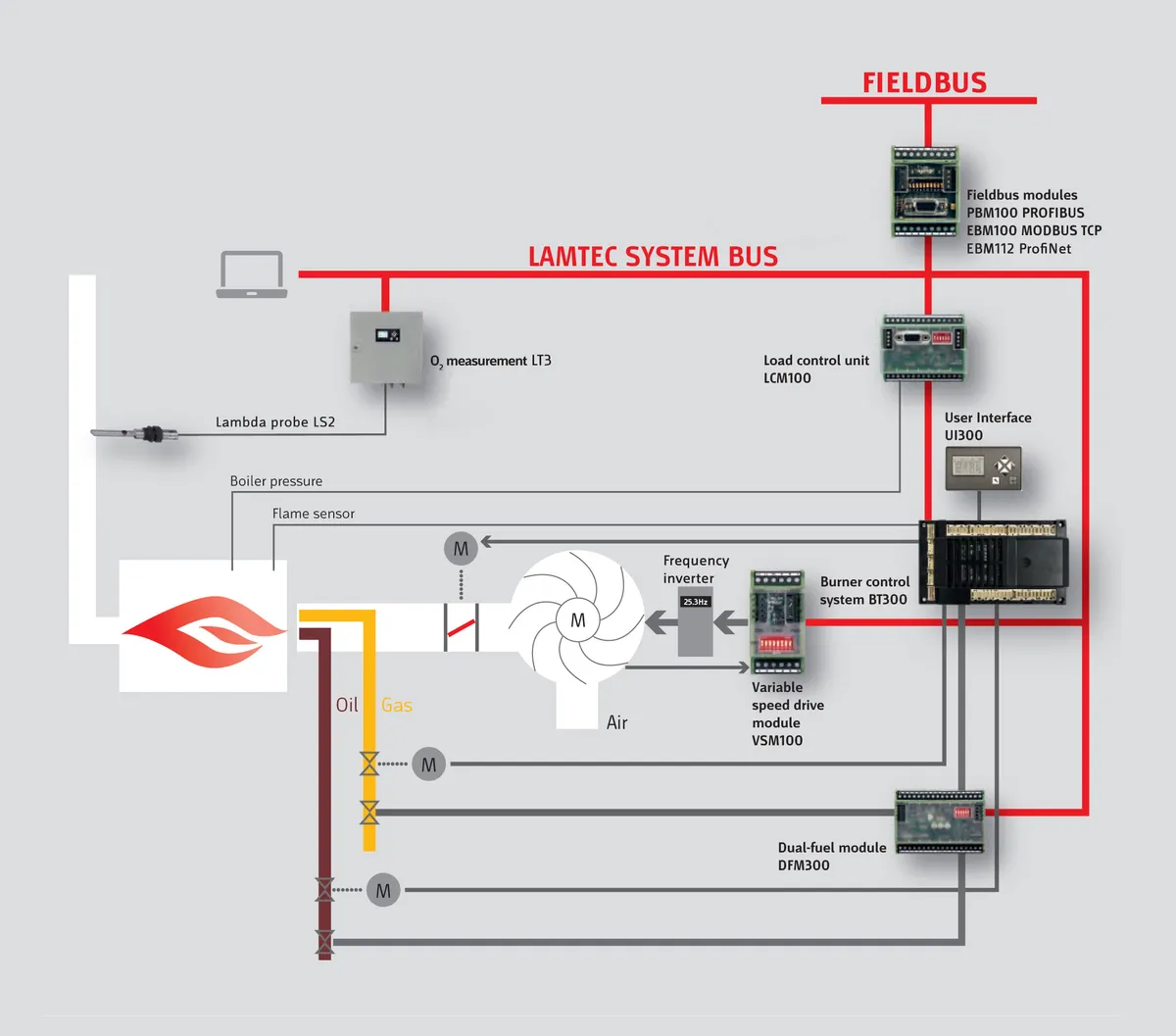
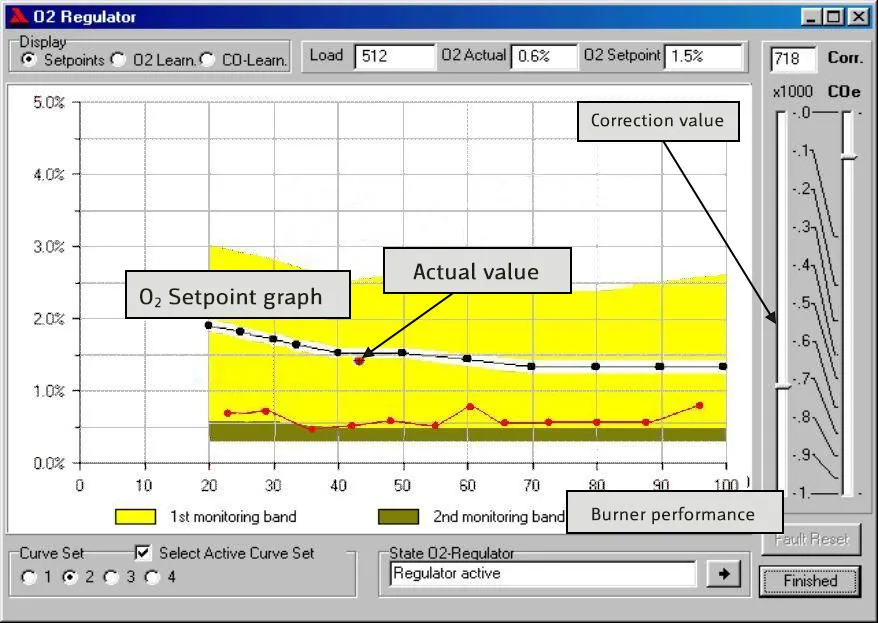
O₂ trim control
- Fuel savings and lower pollutant emissions such as NOx, CO₂ and CO
- Compensation for disturbances such as fluctuations in air pressure or calorific value
- Feedforward control on load changes using adaptive correction and learning curves
- High operational reliability; robust, low-maintenance design proven in service
- Optional integrated PID O₂ controller for the LT1 and LT2 transmitters
O₂ trim control
O₂ trim in the burner management system
- Holding the residual oxygen at the optimum O₂ setpoint for the specific burner
- Compensating for changes in air temperature, air pressure and calorific value
- Feedforward on load changes via adaptive correction and learning curves
- O₂ measured by an LT1, LT2, LT3, LT3-F or NT1 analyser
PID O₂ controller in the LT1 and LT2 transmitters (optional)
- O₂ setpoint as a fixed value or as a load-dependent setpoint curve
- Setpoints and setpoint curves for up to 4 fuels, with fuel selection through digital inputs
- Fuel-air ratio correction through the continuous output until the measured value matches the setpoint
- Fixed, parameterisable substitute value during burner start-up, faults, maintenance and similar states
- Up to 4 limit values or limit curves for monitoring, derived from the setpoint curve
Documents
More products in this group
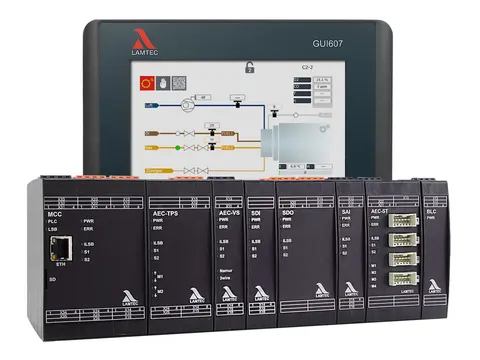
CMS combustion management system
Modular burner and plant control that scales from small industrial burners to large installations
- SIL3 · CE · UL
- ≤ 10 actuators
- Modbus TCP
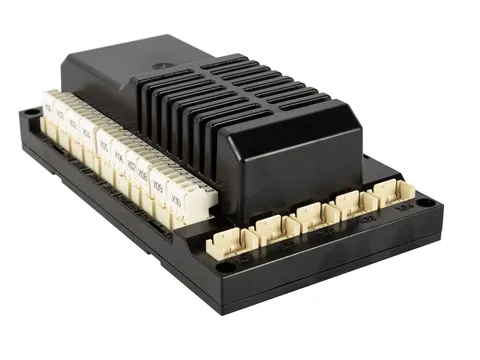
BT300 burner control unit
Compact burner-mounted unit that pairs fuel-air ratio control with a burner sequencer
- ≤ 3 actuators
- Burner-mounted
- SIL3 (BT331, BT341)
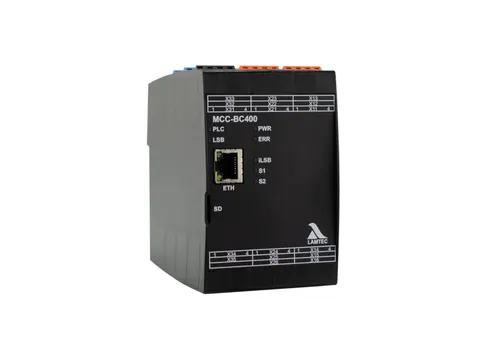
MCC-BC400 burner sequencer
Configurable burner sequencer for gas-fired, oil-fired and dual-fuel burners
- SIL3 · CE · UL
- Gas · Oil · Dual fuel
- Modbus TCP
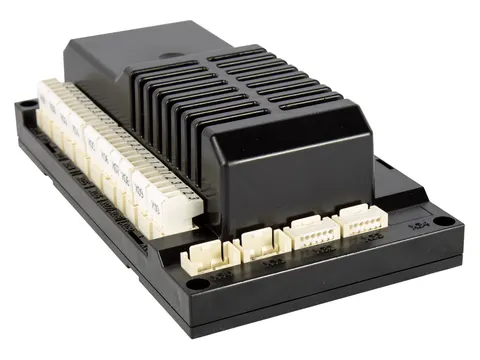
BC300 gas burner sequencer
Burner sequencer for industrial gas burners in thermal process plants, approved for intermittent and continuous operation
- SIL3 · CE
- Intermittent · Continuous
- High-temperature operation > 750 °C
Let's choose the right product for your project together
Tell us about your plant and what you need, and our engineers will recommend the right solution.